By PAUL LAVERACK
EL NUEVO SOL
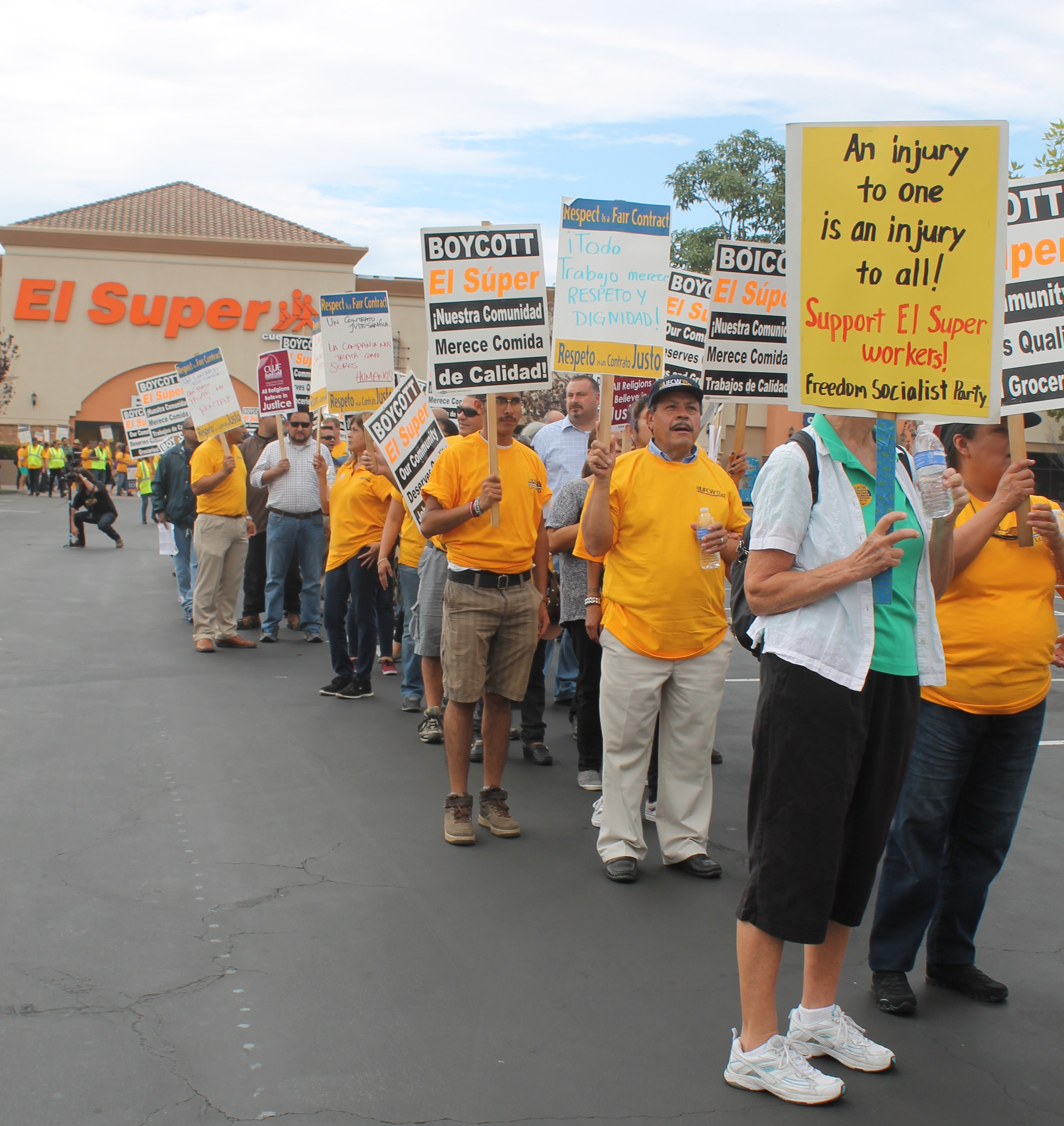
Hundreds of protestors gather in City Hall Park in downtown Los Angeles on Saturday, October 1, 2011 for the first night of “Occupy Los Angeles,” the anti-greed protest begun in solidarity with “Occupy Wall Street,” which began two weeks before. All ages, races, ethnicities, and sexual identities are represented at the event. As one protestor explained, “The issue of class unites all these different groups.”
The protestors share a broad set of concerns, including persistent high unemployment, the failure of the bank bailout to help common people, the staggering costs of militarism, the crumbling of our education system, and the corruption of American democracy by corporate cash. These critiques share a unifying element – the political and economic system’s unwillingness or inability to respond to the needs and wishes of the vast majority of the people, whom the protestors often refer to as “the other 99%.”
“Occupy LA” is marked by some of the same elements as its Wall Street predecessor, including the large nightly “General Assembly,” when issues are decided by direct democracy, and speakers communicate through a call-and-response style, where the crowd repeats each phrase. This was begun in New York due to restrictions on voice amplification systems like bullhorns. The LA protestors are not limited by the same rules, but they follow the same design, probably to make a show of unity with the sister event, and because the call-and-response style lends an air of communal power to every word spoken. (A basic set of hand signals is used, to indicate whether members of the crowd agree, disagree, or want a speaker to hurry up and finish.)
Enthusiasm among those present is generally high, though the first night’s General Assembly is preoccupied with the question of whether or not to vacate the grassy area of the park at 10:15 and sleep on the sidewalks, or to defy the police order and remain on the grass. The debate breaks along the classic division between individual liberty and group solidarity, though ultimately no consensus is reached – which disappoints some protestors, who hoped to see issues resolved through debate, and who are surprised to see cracks in their design appear the very first night. The discussion becomes at times noisy and contentious, which makes it an excellent example of democracy.
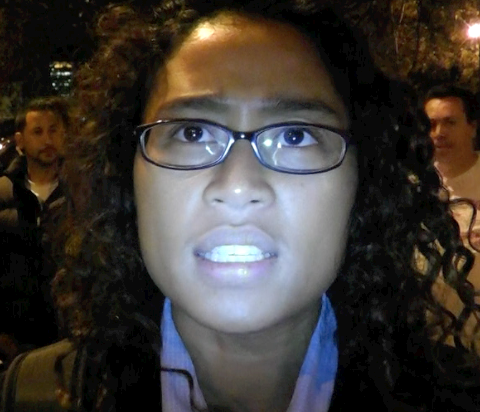
Most participants eventually do move to the sidewalks, where lively conversation and music continue well into the night. As of midnight, police presence was minimal, though protestors are aware that earlier in the same day, over 700 were arrested in New York, and videos of police brutality from Occupy Wall Street have been widely seen. One protest organizer shared her concern these police crackdowns will be mirrored here in Los Angeles, saying, “At some point, we’re going to have to be ready to get arrested.”
See the short video below for more on this story.
Tags: activism bailout bank bailout capitalism city hall corporate greed democracy economics great recession occupy la occupy los angeles occupy wall street politics protest protestor recession socialism unemployment wall street